
The first Autumn meeting of the all-Britain Trade Unionist and Socialist Coalition (TUSC) steering committee was held on September 9th, reviewing the effect so far of Andy Burnham’s ascent to the Labour leadership on the prospects for building independent working class political representation and beginning preparations for the local elections that will take place in May 2027.
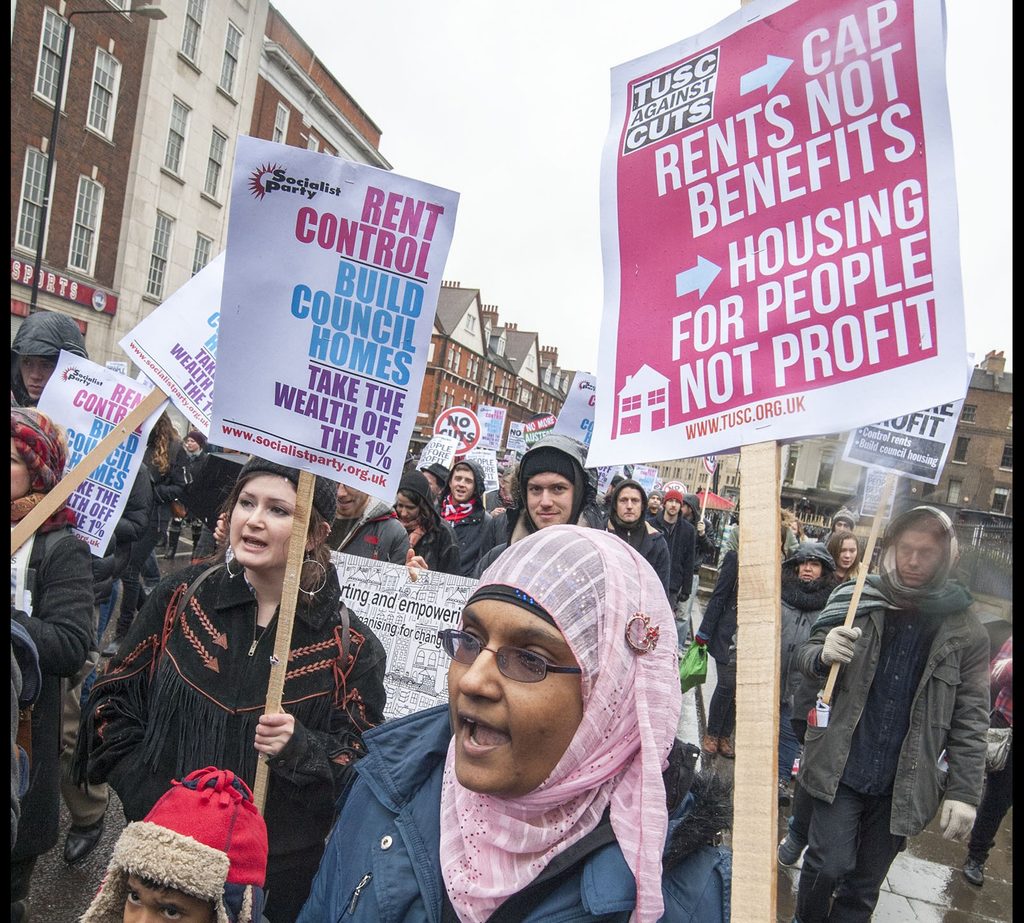
The discussion included agreeing a TUSC steering committee briefing document (here) on the new possibilities for campaigning on rent controls and council house building, after the coming into effect of the Renters’ Rights Act in May this year. The briefing explains what the Act has changed – in opening up a new terrain for organising tenants – and what it hasn’t. But also what councils could do with existing legal powers, including achieving rent restraint in practice, if there were councillors prepared to fight.
In this context the briefing also includes some points for discussion on what should be included in the TUSC local elections core policy platform for May 2027, the ‘minimum commitments’ that are asked of prospective candidates who want to use one of the TUSC registered descriptions on the ballot paper. Under UK election law candidates can only appear as ‘Independent’ on the ballot paper unless they are ‘authorised’ to use a description by an organisation – like TUSC – registered with the Electoral Commission. TUSC has a number of descriptions available for use, listed on the Commission’s website (here), and including a simple Socialist and Trade Union Candidate identifier.
What should the 2027 TUSC local election platform include?
For the last couple of years the local elections core policy platform has been limited to just six pledges (see here for the May 2026 platform). But the briefing document suggests that, with the new housing action possibilities open to councils and the current situation in terms of working class political representation – with neither Labour nor Green councils committed to immediate action on rents or the large-scale building of council homes now – policies for the 2027 platform that candidates seeking to use a TUSC description must commit to should include:
● Use councils’ powers to compulsorily register private landlords and enforce Decent Homes Standards for private rented homes, and set-up council-run lettings agencies, as the means to tackle repair standards, high rents, over-occupancy and extortionate letting fees, with fully staffed, unionised in-house enforcement teams.
● Guarantee a full compliance inspection whenever a private-sector tenant facing a steep rent rise complains, with maximum penalties and rent repayment orders pursued and publicised, and fund the work of renter unions to build a tenants’ movement to challenge rent rises.
● Build council homes now. Use councils’ borrowing powers for capital spending to immediately begin a mass building programme of eco-friendly affordable council homes, establishing direct labour organisations on trade union rates with apprenticeships for young people.
All views on the inclusion or not of these policies in the 2027 platform are welcome – with TUSC supporters encourage to canvass the thoughts of housing campaign organisations like Acorn and SHAC – and will be discussed at the next meeting of the steering committee in October.
Where will next year’s local elections be held?
The meeting also agreed to produce by no later than the October steering committee a 2027 edition of the TUSC Directory of Elections, an annual publication of our coalition since 2012 listing the upcoming elections for the year ahead. A provisional version had been circulated with the committee paperwork on September 7th, incorporating the government’s local government reorganisation plans to replace 150 district councils that were due to have elections in May 2027 with 51 new ‘mega-authorities’, more remote and unaccountable.
But then, in a surprise move, hours later the Local Government secretary Angela Rayner announced a government U-turn, pausing reorganisation plans in the face of various legal challenges, overtaking the information in the draft directory.
The abolition of whole layers of local democracy had not been part of Labour’s 2024 general election manifesto, just general plans for ‘devolution’ and reviewing the governance of combined authorities. Abolishing councils, and ending the check on local authorities of annual elections included in the proposals, wasn’t mentioned at all. So the U-turn is welcome but a pause is not the same as a withdrawal of the plans. The steering committee agreed to look at adding a further additional bullet point on the defence of local democracy when it considers the 2027 local elections policy platform.
But the upshot of the ‘pause’ is that the May 2027 local elections in England will go ahead for the currently existing councils, with a total of 9,671 councillors to be elected in England, Scotland and Wales next year; and a new directory of exactly where these contests will take place will be produced as soon as possible, as an important planning tool for local campaigners. ■
The next steering committee meeting will take place on October 21st. By-election candidate applications and any other items for consideration to be placed on the agenda for the meeting must be received by the TUSC National Election Agent – Clive Heemskerk, at [email protected] – by Friday 16th October.